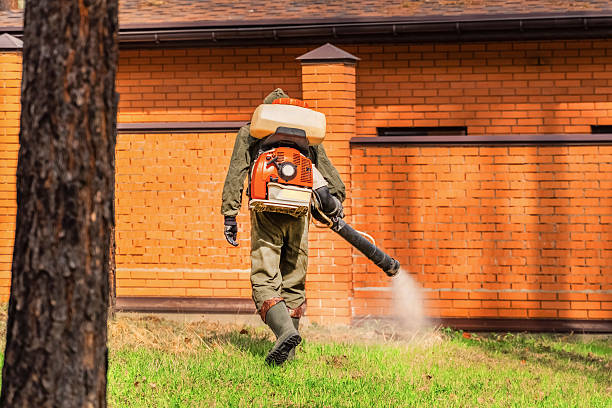
Every time you spray a repellent product on an ant trail, you are signaling the colony to relocate and split. Show Me Pest Control's non-repellent protocol in Kings Bay Base allows workers to carry the active ingredient back to the queen, collapsing the entire population.
Four core protocols that produce colony-level elimination -- not surface suppression.
Argentine ants, odorous house ants, pavement ants, fire ants, and carpenter ants all have different colony structures, nesting locations, food preferences, and responses to treatment products. Misidentify the species, apply the wrong product, and you get movement -- not elimination.
Non-repellent bait placed in the right location collapses the population from the center out. Workers spread it to every member of the colony -- including the queen and the brood -- without ever detecting the threat. A correctly executed bait program is irreversible for the colony.
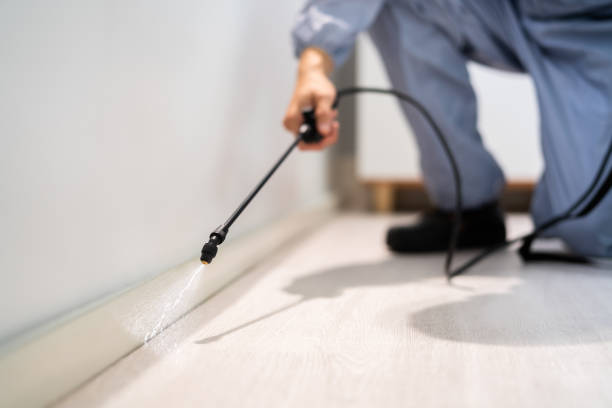
We apply non-repellent residual insecticides along the foundation perimeter, at entry points, and along the major foraging corridors. Ants walk through the treated zone, carry residual on their bodies back to the colony, and spread it to other workers -- the same transfer mechanism as gel bait.
Carpenter ant frass -- coarse sawdust near wood members or window frames -- indicates active gallery excavation. We locate the gallery, inject insecticide directly into the cavity, and monitor for secondary satellite nests -- the ones that establish when the primary nest is disturbed.
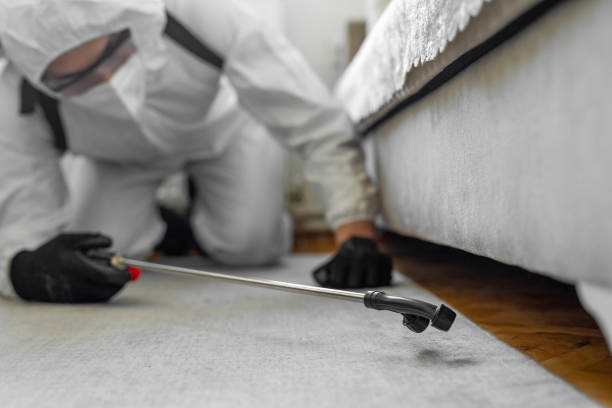
A typical ant colony visible in your kitchen represents only 10 to 20 percent of the total population. The queen, developing brood, and satellite nests are located in harborage zones -- behind walls, under flooring, inside cabinets, or in the foundation perimeter outside the structure. When a repellent product is applied to a foraging trail, the scouts in contact with the chemical signal the colony to retreat and relocate. The colony does not die -- it splits. New satellite nests establish in areas farther from the treated zone, the colony footprint increases, and the homeowner sees new trails appearing in new locations within days.
Non-repellent bait transfer technology works through a mechanism called trophallaxis -- the food-sharing behavior through which ant workers pass nutrients to each other, to the queen, and to developing larvae. A worker that contacts non-repellent gel bait cannot detect the active ingredient and carries it back to the colony as a food source. The active ingredient is then transferred through the population during normal feeding behavior, reaching workers in the harborage zone, the queen, and the developing brood. Colony collapse begins within 3 to 10 days. The bait must be placed in the correct location -- inside or adjacent to the harborage zone, not on the foraging trail -- for the mechanism to function. Bait placed on a foraging trail is consumed by foragers and does not efficiently reach the reproductive core.
Sprayed for ants in Kings Bay Base and they keep coming back? Call +1-866-315-0243. We apply non-repellent bait that reaches the queen -- the spray cycle stops here.
Consumer bait products have two limitations that professional treatments address. First, many homeowners contaminate their bait stations by applying repellent spray in the same area -- the colony detects the repellent and avoids the entire zone, making even correctly placed bait inaccessible. Second, colonies exposed to the same bait formulation repeatedly develop aversion, avoiding the attractant even when it appears fresh. Professional treatment uses bait formulations that rotate active ingredients and are placed in locations that have not been contaminated by prior repellent applications.
Carpenter ant treatment begins with confirming that you have carpenter ants rather than any other large black ant species, and confirming that an active gallery exists within the structure. Coarse sawdust-like frass near structural wood members, particularly window headers, door frames, sill plates, and roof soffits -- especially where moisture damage is present or was repaired in the past -- is the primary diagnostic sign. Hollow-sounding timbers when knocked and large black ants near the frass location confirm the assessment. Void injection delivers the active ingredient directly to the gallery where the colony is nesting, rather than spraying the surface where foragers are observed.
Recurring ant pressure in Kings Bay Base, GA is largely seasonal and predictable. Spring budding creates the maximum colony expansion pressure of the year. Summer heat and drought push foragers into cooled structures. Fall cooling brings foundation ingress. For properties that experience recurring annual infestations, a program that maintains a non-repellent perimeter through the spring and summer eliminates the conditions that allow colonies to establish inside the structure in the first place -- and is priced substantially below repeated reactive treatment costs.
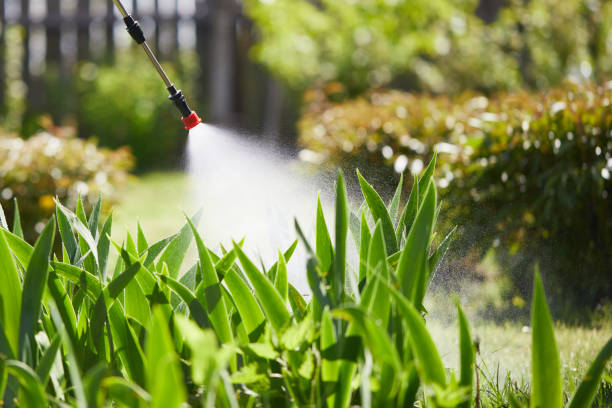
Species identified, harborage zone mapped, protocol explained -- on the first call.
Call +1-866-315-0243Every service designed around species identification and non-repellent bait transfer technology.

We identify the species first -- Argentine, odorous house, pavement, fire, or carpenter -- because the treatment protocol depends entirely on the species. Misidentification wastes money and scatters the colony.
Non-repellent gel and granular bait placed where the colony feeds, not where it travels. The entire population is reached.
A non-repellent exterior barrier used with gel bait creates two simultaneous pathways for the active ingredient to reach the colony.
Carpenter ant treatment requires direct gallery access. Void injection delivers the active ingredient to the source -- not to the foragers you can see.
Professional fire ant granular broadcast applied in early season prevents the mound establishment cycle that produces dozens of active mounds by midsummer.
Recurring visits that maintain a non-repellent perimeter through the spring budding phase and summer heat prevent the conditions that allow colonies to establish indoors.
Four steps from initial contact to confirmed colony collapse.
Describe what you are seeing. We narrow the species before the visit and confirm on-site. The protocol is determined by the species, not a generic plan.
The bait is placed inside or adjacent to the harborage zone -- not on the foraging trail. Correct placement is what makes the transfer mechanism work.
Exterior non-repellent perimeter creates a second transfer pathway. Both treatments work simultaneously to collapse the colony.
We confirm colony collapse at the follow-up rather than assuming the single treatment was sufficient. This is where persistent satellite nests are identified.
Customers who switched from retail spray products to the Show Me Pest Control non-repellent protocol.
We had been spraying a trail every single day for three weeks. The trail kept reappearing in the exact same location every morning. Show Me Pest Control identified odorous house ants with a satellite nest inside the wall behind the dishwasher. Non-repellent gel placed inside the cabinet toe-kick cavity. Colony confirmed collapsed at the follow-up visit. We have not seen a trail since.
Hardware store baits stopped working after the second round. Show Me Pest Control explained the aversion issue -- colonies learn to avoid certain attractant compounds after repeated exposure. Different professional formulation, correct placement. The colony was gone in a week.
I showed two companies the sawdust near the window. The first one said it was nothing and sold me a maintenance contract. Show Me Pest Control confirmed carpenter ants with an active gallery in the header. Treated the void directly. Follow-up showed no new frass. The window header is structurally intact. The difference in diagnosis was night and day.
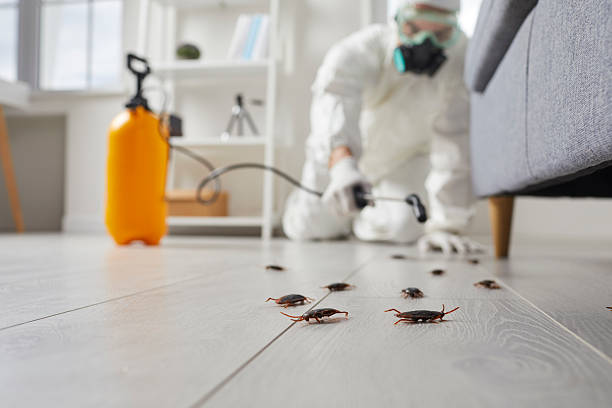
Same-day assessment in Kings Bay Base. Species identification and non-repellent bait placed on the first visit.
Call +1-866-315-0243